

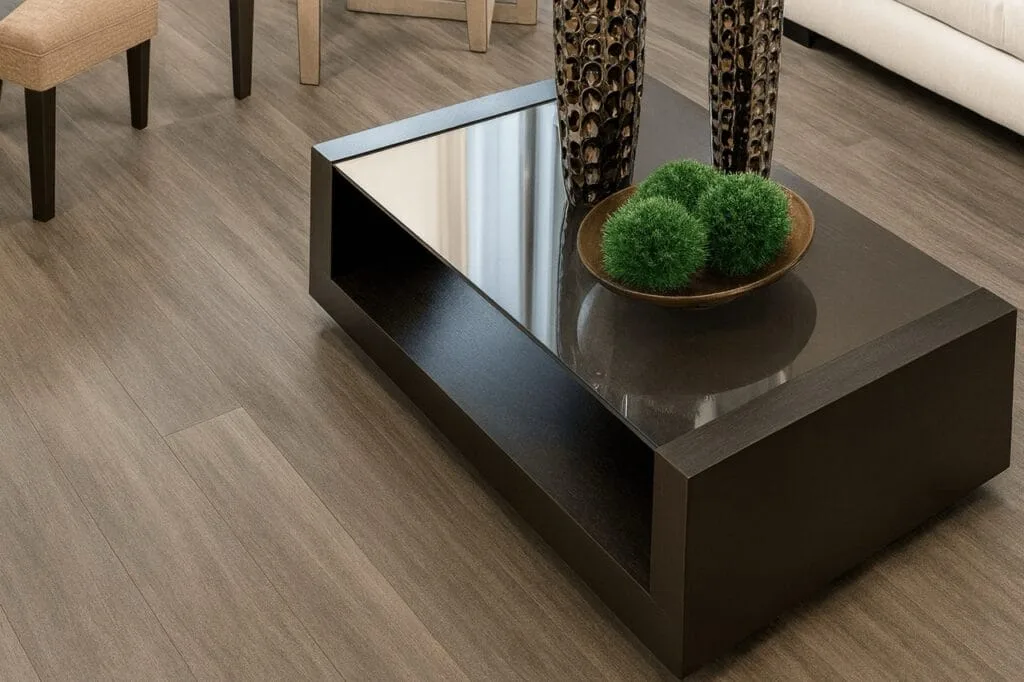
Laminate flooring has become a household favorite across the globe, offering the realistic look of hardwood or stone tile at a fraction of the cost. Its robust construction and ease of installation make it an appealing choice for DIY enthusiasts and busy homeowners alike. However, not all laminate is created equal. To ensure you choose the perfect floor that will last for years, you need to look beyond the aesthetics and consider several key technical and practical factors.
Here are the six essential considerations you must review before making your final laminate flooring purchase:
1. Durability and the AC Rating (Abrasion Class)
The single most important technical specification for laminate flooring durability is the Abrasion Class (AC) Rating. This rating indicates how resistant the flooring is to abrasion, impact, stains, and heat. Choosing the wrong AC rating for a high-traffic area is the quickest way to end up with a prematurely worn floor.
- AC1 (Residential, Light Traffic): Suitable only for light use, such as closets or guest bedrooms.
- AC2 (Residential, General Traffic): Good for residential areas with moderate traffic, like dining rooms or main bedrooms.
- AC3 (Residential, Heavy Traffic / Commercial, Light Traffic): The most common rating for residential use. This is ideal for all areas of the home, including living rooms, kitchens, and hallways. It is also suitable for light commercial use.
- AC4 (Commercial, General Traffic): Designed for heavy residential traffic and moderate commercial use, such as small offices or cafes.
- AC5 (Commercial, Heavy Traffic): Reserved for high-traffic commercial environments, like large department stores or public buildings.
Pro Tip: For most family homes, an AC3 rating is the minimum recommended standard for living areas and hallways. If you have pets or a large family, consider opting for AC4 for maximum peace of mind.
2. Plank Thickness (HDF Core)
Laminate planks typically range in thickness from 6mm to 12mm. While thickness does not directly correlate with the protective wear layer’s quality (which is covered by the AC rating), it is crucial for stability, feel, and acoustics.
- A Thicker Plank (10mm to 12mm): Generally feels more solid and less “hollow” underfoot. It is also better at dampening sound, providing superior acoustics compared to thinner options. Thicker planks are more forgiving when installed over minor subfloor imperfections.
- A Thinner Plank (6mm to 8mm): Usually cheaper and suitable for areas where sound is not an issue, or when the flooring will be placed over an existing, perfectly flat subfloor.
Remember that thickness includes the core material, which is usually High-Density Fiberboard (HDF). A better-quality core improves the plank’s structural integrity.
3. Water Resistance and Waterproof Technology
Traditional laminate flooring is highly susceptible to water damage because its HDF core can swell if moisture seeps past the edges. However, modern technology has largely mitigated this concern:
- Water-Resistant Laminate: Treated with a special coating and tight click-lock systems to repel minor spills, allowing a window of time (e.g., 24 to 72 hours) to clean up liquid before damage occurs.
- 100% Waterproof Laminate (WPC/SPC Core): These newer products feature a core made of wood plastic composite (WPC) or stone plastic composite (SPC), offering true waterproofing. This is a game-changer for high-moisture areas like kitchens, bathrooms, laundry rooms, and basements.
Key Takeaway: If you are installing laminate in any area prone to moisture, such as a kitchen, or in a basement, choosing a product explicitly labeled as Waterproof is strongly advised.
4. Aesthetic Considerations: Design, Texture, and Finish
Laminate flooring is designed to mimic natural materials, and the quality of the visual layer (the decor layer) is what determines its realism.
- Texture (Embossing): Look for planks that have Embossed in Register (EIR) texture. This means the surface texture perfectly aligns with the printed wood grain pattern, giving it a much more realistic feel than a completely smooth or generic texture.
- V-Grooves/Beveled Edges: Planks with beveled or V-groove edges create a distinct outline between pieces, mimicking the look of traditional hardwood or tile. This enhances realism and prevents the flooring from looking like a single, seamless sheet.
- Finish and Sheen: Laminate is available in high-gloss, medium-gloss, and matte finishes. A matte finish tends to hide small scratches and dents better than high-gloss.
5. Installation Method and Required Underlayment
Laminate is famous for its simple installation, but you still need to understand the mechanics.
- Click-and-Lock System: Most modern laminate uses this floating floor installation system. The planks simply snap together without the need for adhesive, making it relatively easy for homeowners.
- Subfloor Preparation: The subfloor must be clean, dry, and flat. Laminate is not a structural floor and relies on a stable base.
- Underlayment: A quality underlayment is essential. It serves three purposes: cushioning, moisture barrier, and sound absorption. Some laminate planks come with a pre-attached underlayment, simplifying the process. If not, a separate foam or cork underlayment is required.
6. Warranty and Price Range
While laminate is an affordable option, its cost can vary significantly based on quality and features (AC rating, water resistance, and thickness).
- Warranty: Always check the warranty. High-quality residential laminate should offer a 25-year to Lifetime Residential Warranty against wear, fading, and staining. Pay close attention to the fine print, especially regarding moisture and water damage. A strong warranty is a good indication of manufacturer confidence in the product’s durability.
- Price: Be wary of extremely low-cost laminate. These often feature low AC ratings, thin cores, and poor water resistance, leading to early replacement. Investing slightly more upfront can save thousands in replacement costs down the road.
By thoroughly considering the AC rating, plank thickness, water resistance, design realism, installation needs, and the accompanying warranty, you can confidently select a laminate floor that offers the perfect blend of style, durability, and value for your home.


