

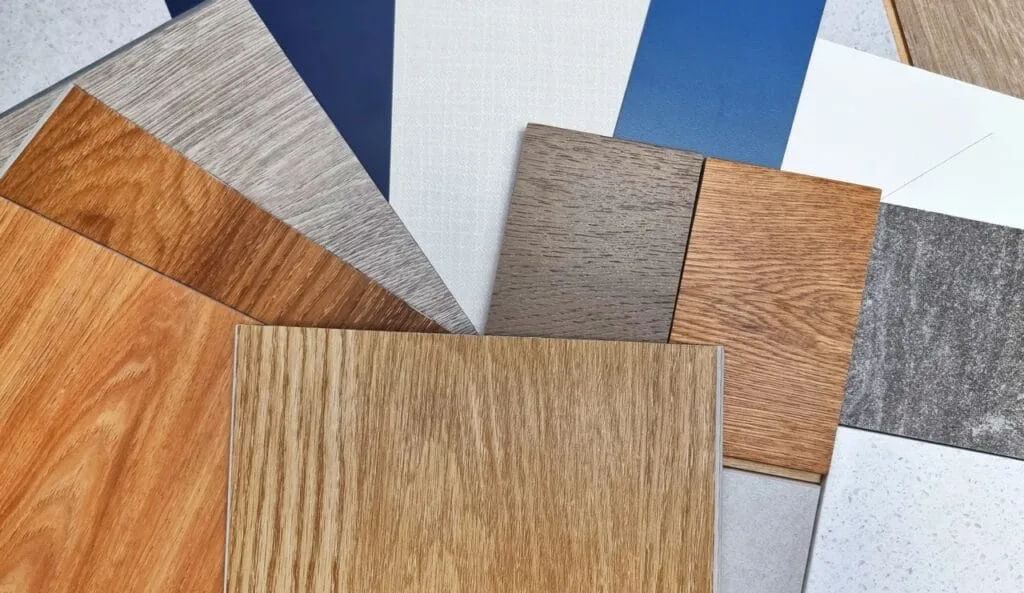
Choosing a carpet color is arguably the most crucial decision in the flooring selection process. While carpet material and style determine durability and feel, color dictates the entire room’s mood, perceived size, and long-term maintenance needs. Since carpet is a substantial investment that will anchor your decor for many years, careful consideration is necessary to ensure it harmonizes with your home, lifestyle, and design vision.
Here is a comprehensive guide covering the key factors you must evaluate when settling on the perfect carpet color.
1. Consider the Room’s Function and Traffic Level
The primary function of the room is the most practical determinant of color choice. Heavy traffic areas demand colors that conceal dirt and wear, while low-traffic areas offer greater freedom for lighter or more dramatic hues.
- High-Traffic Areas (Hallways, Family Rooms, Stairs): In these zones, light colors should be avoided as they reveal every particle of dust and dirt. Opt for medium tones like taupe, light gray, or greige (a blend of gray and beige). Colors with subtle multi-tonal flecks or patterns are highly effective at camouflaging stains, pet hair, and minor wear marks.
- Low-Traffic Areas (Bedrooms, Offices): You can safely choose lighter or darker colors here, as the risk of staining is minimal. Bedrooms are perfect for soft, light grays or cozy creams to promote a restful environment.
- Dining Areas and Kitchen Entrances: If you must use carpet here, darker, warmer colors (like browns or deep charcoal) are preferable to hide food and beverage spills, though resilient flooring is usually recommended.
2. Understand the Impact of Light and Space
Color dramatically influences the perception of size and light within a room. This is particularly important for windowless spaces or rooms with low natural light.
- To Make a Room Feel Larger and Brighter: Choose lighter carpet colors, such as cream, ivory, pale beige, or soft silver-gray. Light colors reflect more ambient and natural light, creating an airy, open, and expansive feel.
- To Make a Room Feel Cozier and More Intimate: Use darker or richer colors, such as deep navy, dark brown, or charcoal. Dark colors absorb light, visually shrinking the room and giving it a grounded, comfortable, and luxurious atmosphere.
- The Role of Lighting: Always view carpet samples in the room where they will be installed, and at different times of the day. Natural daylight will reveal the true undertones (warm or cool), while artificial lamp light can significantly shift the color, making cool grays appear warmer or beige look dull.
3. Coordinate with Existing Elements (The 60-30-10 Rule)
Carpet color should serve as a foundation for your overall interior design scheme. It needs to complement your walls, furniture, and permanent fixtures.
- Warm Tones vs. Cool Tones:
- Warm Colors (Beige, Brown, Tan): Pair well with furniture in warm wood tones, creams, gold accents, and wall paints with yellow or red undertones. They create a traditionally welcoming and cozy space.
- Cool Colors (Gray, Blue, Charcoal): Harmonize with sleek, modern decor, stainless steel, cool-toned woods (like ash), and paint colors with blue or green undertones. They create a calm, contemporary feel.
- The 60-30-10 Rule: This design principle suggests that the dominant color (walls, floors, large rugs) should make up 60% of the room, the secondary color (upholstery, curtains) 30%, and the accent color (accessories, pillows) 10%. The carpet is a large part of that 60%, so ensure its tone acts as a neutral backdrop for the rest of your decor.
4. Lifestyle: Pets, Kids, and Allergies
A bustling household requires practical color choices that minimize the visibility of common household messes.
- Pets: If you have dogs or cats, choose a color that closely matches their fur color, or use a patterned or heathered carpet. Solid, contrasting colors (e.g., a white carpet with a black dog) are the worst offenders for revealing shedding.
- Children: Medium-toned colors with varying fibers or flecks are ideal for resisting the appearance of spills and ground-in dirt.
- Allergies/Dust: While color doesn’t affect allergens, darker carpets may make light dust or lint more visible, requiring more frequent vacuuming to maintain a clean appearance.
5. Future Selling and Timeless Appeal
If you plan to sell your home within the next five to seven years, selecting a widely appealing, neutral color is the safest bet for maximizing resale value.
- The Power of Neutrals: Timeless neutrals like Greige, Taupe, and mid-tone Gray are favored by designers and home buyers alike because they offer a versatile canvas. They are warm enough to feel inviting but contemporary enough to avoid looking dated.
- Avoid Extreme Colors: While a deep burgundy or bright green may suit your personal style, these colors are highly specific and can turn off potential buyers who would face the added expense and inconvenience of replacing the floor immediately.
6. Pattern and Texture Considerations
The weave and pattern of the carpet can influence how the color performs over time.
- Textured and Patterned Carpets: These are the unsung heroes of stain camouflage. The variation in fiber direction and color density hides wear marks and tracked-in dirt far better than solid, smooth textures like frieze or plush.
- Level Loop or Berber: The tightly woven, low-profile loops of Berber carpet tend to show dirt less than cut-pile carpets, adding a layer of functionality to the color choice.
By balancing the practical needs of your household (traffic, maintenance) with the aesthetic desires for your space (light, mood, style), you can confidently choose a carpet color that will be both beautiful and enduring.


