

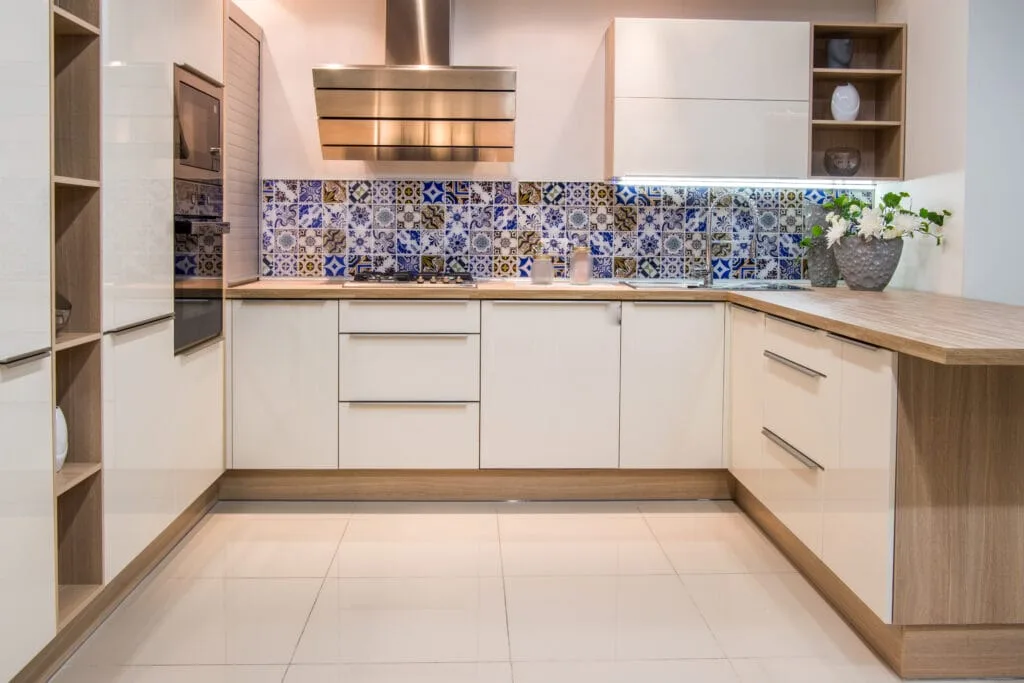
The kitchen is the undisputed heart of the home—it’s where meals are prepared, memories are made, and, unfortunately, where spills, splashes, and dropped utensils occur daily. Many homeowners desire the seamless transition and classic beauty of hardwood flooring throughout their entire main floor, including the kitchen.
While a hardwood kitchen floor is stunning, it requires careful consideration due to the unique challenges of the environment. Before you install natural wood in this high-risk area, it is crucial to weigh the aesthetic rewards against the practical risks.
The Pros: Why Hardwood is Highly Desired in the Kitchen
Hardwood’s appeal in the kitchen goes beyond surface beauty; it adds tangible value and comfort to the space.
1. Unmatched Aesthetic and Warmth
No manufactured product can perfectly replicate the genuine look, unique grain patterns, and depth of real hardwood. It instantly elevates the kitchen, adding organic warmth and a sense of timeless luxury that tile or vinyl often cannot match.
2. High Resale Value
Hardwood is universally appreciated and is consistently cited by real estate agents as one of the best ways to boost a home’s perceived value and return on investment (ROI). A cohesive floor plan where the kitchen flooring matches adjacent living areas is a strong selling point.
3. Comfortable Underfoot
Compared to hard, cold surfaces like ceramic or porcelain tile, wood is softer and warmer. It offers more give, which is welcome relief for chefs who spend hours standing, chopping, and stirring.
4. Renewable Surface
The primary durable advantage of hardwood is its ability to be completely refinished. If your kitchen floor suffers major wear, deep scratches, or minor water damage over time, the surface can be sanded and stained multiple times over its decades-long lifespan, restoring it to its original beauty.
The Cons: The Risks of Kitchen Hardwood
The kitchen environment presents three primary threats that directly challenge the structural integrity and finish of natural wood.
1. Extreme Moisture Vulnerability
This is the single biggest drawback. The kitchen is a hub for water hazards: overflowing dishwashers, leaky refrigerators, ice maker mishaps, and simple spills around the sink.
- Consequence: When moisture sits on wood, it penetrates the grain. This leads to cupping (edges rising), crowning (center rising), swelling, and eventually, mold and mildew if the water penetrates the subfloor. Even pre-finished wood cannot prevent damage from prolonged standing water.
2. Prone to Dents and Scratches
The kitchen is a high-impact zone. Dropped ceramic mugs, heavy pots, and rolling carts can easily damage the wood surface.
- Consequence: While the scratches can be refinished, they accumulate quickly. Dents and gouges compromise the finish, creating easy entry points for moisture and requiring constant vigilance.
3. Warranty Issues
Many hardwood manufacturers will void the product warranty if the wood is installed in a wet location like a full bathroom, and some extend that restriction to high-risk areas like the kitchen. If a dishwasher leak ruins your floor, the warranty may not cover the material replacement.
4. Higher Maintenance and Specific Care
Unlike LVP or tile, which can withstand aggressive cleaning, hardwood requires specific maintenance. Spills must be wiped up immediately, and you can only use manufacturer-approved cleaners. Steam mopping or excessive water use is strictly forbidden.
How to Mitigate the Risks: Best Practices
If your heart is set on a hardwood kitchen floor, choose engineered hardwood and follow these best practices:
- Choose Engineered Wood: Engineered hardwood (plywood core topped with a real wood veneer) handles moisture and humidity shifts better than solid wood, making it the preferred choice for kitchens.
- Area Rugs are Mandatory: Use large, water-resistant area rugs or mats in the highest risk zones: in front of the sink, the dishwasher, and the refrigerator. This is your first line of defense against splashes and leaks.
- Select a Hard Species: Opt for hardwoods with a high Janka hardness rating, such as Hickory or Maple, rather than softer woods like Pine or Cherry.
- Install Durable Finish: Ensure the floor has a factory-applied, multi-layer, durable polyurethane or aluminum oxide finish for maximum surface protection.
Ultimately, installing hardwood in the kitchen is a trade-off: you gain unparalleled beauty and resale value, but you accept a higher risk of moisture damage and a commitment to immediate maintenance.


