

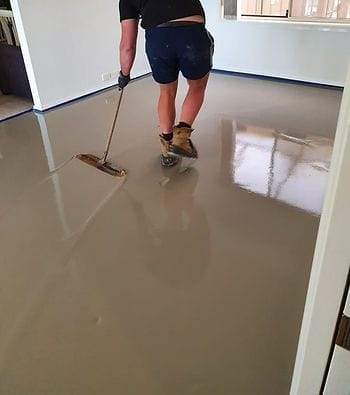
Concrete flooring has long been relegated to basements, garages, and industrial spaces. However, with modern finishing techniques like polishing, staining, and stamping, the inherent strength of a concrete slab is being transformed into a high-end, customizable, and versatile surface that is becoming a top choice for kitchens, living areas, and even bedrooms. Concrete is overlooked simply because most people don’t realize its massive potential for aesthetic appeal and long-term savings.
Here are the top reasons why savvy homeowners are choosing finished concrete over traditional materials like wood or tile.
1. Unmatched Durability and Longevity
Concrete is built to endure. Nothing else on the market can compete with its structural resilience.
- Exceptional Lifespan: A properly finished and sealed concrete floor can last for decades, often the entire lifespan of the building, with minimal degradation, far surpassing the longevity of carpet, vinyl, or even wood.
- Withstands Heavy Use: It is highly resistant to heavy foot traffic, scratches, scuffs, and impacts from dropped objects or heavy furniture (like kitchen islands or appliances) without showing wear.
- Low Maintenance: Once sealed, the non-porous surface is highly resistant to stains, dirt, and mold. Routine maintenance requires nothing more than regular sweeping and occasional mopping with a mild, neutral cleaner.
2. Unlimited Design and Aesthetic Versatility
Concrete is the ultimate blank canvas, allowing for fully customized looks that adapt to any design style.
- Color and Staining: Concrete can be stained or dyed with pigments that create rich, varied hues, giving the floor the sophisticated, mottled look of marble or natural stone.
- Polishing and Finish: It can be honed and polished to achieve a mirror-like, high-gloss sheen (ideal for modern, reflective spaces) or kept to a subtle satin or matte finish (best for hiding wear).
- Custom Textures: Techniques like stamping and scoring allow the concrete to replicate the look of brick, large-format tile, or even wide wood planks, all while maintaining the strength of the slab underneath.
3. High Thermal Mass and Energy Efficiency
Concrete possesses natural thermal properties that can lead to significant energy savings.
- Temperature Regulation: Concrete has a high thermal mass, meaning it absorbs and stores heat (from the sun or your HVAC system) slowly during the day and gradually releases it at night. This helps stabilize indoor temperatures.
- Radiant Heating: Concrete is the perfect material for radiant floor heating systems. The slab absorbs and radiates the heat evenly across the entire surface, making the floor warm and cozy in winter, especially in cold climates.
4. Cost-Effectiveness and Sustainability
When evaluating cost, concrete is a winner over the long haul.
- Long-Term Savings: While decorative finishes may carry an upfront cost, the near-zero replacement cost and minimal maintenance labor translate into significant savings over decades compared to other materials.
- Eco-Friendly: Concrete utilizes the existing building slab, minimizing the need for manufacturing and transporting new materials (like wood, carpet, or tile). Furthermore, it does not emit harmful Volatile Organic Compounds (VOCs) once sealed with a low-VOC product, contributing to healthier indoor air quality.
Cons: The Hard Truth
Concrete does have two notable drawbacks:
- Hardness: It is the hardest surface available, which can be uncomfortable to stand on for long periods (solvable with anti-fatigue mats) and will almost certainly shatter any glassware or ceramics dropped on it.
- Coldness: Without radiant heating, concrete will feel cold underfoot in winter.
For those prioritizing durability, easy maintenance, and design freedom, finished concrete flooring is a stylish, permanent, and surprisingly cost-effective solution.


