

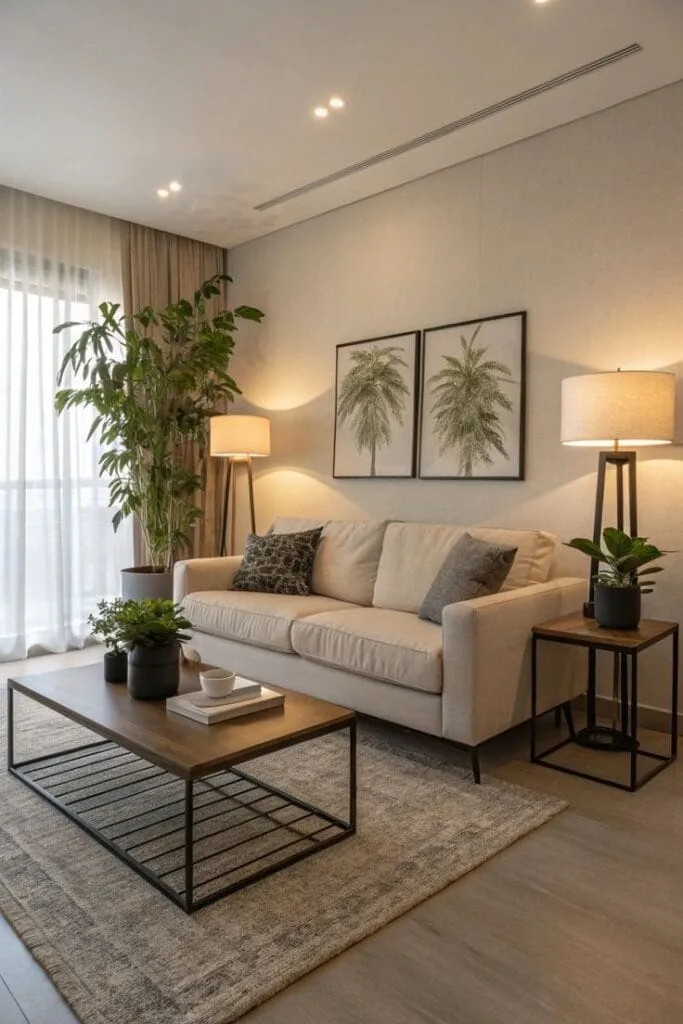
Introduction: The Hidden Insulator
As temperatures drop, the floor becomes a major source of cold, especially if your home has hard surfaces like tile, concrete, or hardwood. Carpet and area rugs are not just aesthetic elements; they are highly effective thermal insulators that dramatically increase comfort and energy efficiency. By trapping air and creating a protective barrier between your feet and the cold subfloor, carpets actively work to keep your home warm and lower your heating costs.
Here is a guide to choosing and strategically placing carpets and rugs to maximize warmth and coziness this winter.
1. The Science of Warmth: How Carpets Save Energy
Carpet fibers and padding act as a thermal barrier, slowing the transfer of heat (conduction) and reducing drafts.
- Trapped Air: The thousands of fibers in a carpet pile trap small pockets of air. Since still air is an excellent insulator, this layer forms a crucial barrier, preventing warm air from escaping through the floor and stopping cold air from rising up.
- Insulation System: A thick, high-density carpet combined with a quality underlay/rug pad forms a thermal system that reduces heat loss more effectively than a floor without it. This can lead to noticeable savings on heating bills.
- Comfort Underfoot: Unlike hard tile or concrete, which rapidly draw heat away from your feet (making them feel cold), carpet retains warmth, providing immediate comfort the moment you step on it.
2. Choosing the Warmest Materials
The material and structure of your carpet directly determine its insulating power.
| Material | Key Thermal Properties | Best For |
| Wool | Excellent natural insulation. Naturally crimped fibers trap air efficiently and remain soft and bouncy. | Living rooms, master bedrooms, and high-end projects. |
| Thick Cut-Pile (Shag/Frieze) | High pile height creates maximum air space, boosting insulation. | Bedrooms and family rooms (prioritizing comfort and warmth). |
| Thick Padding/Underlay | The density of the padding underneath any rug or wall-to-wall carpet is critical for maximizing the thermal barrier. | Essential for use over cold concrete or bare wood floors. |
| Cotton/Jute | Good natural texture, but much less insulating than wool or thick synthetics. | Decorative purposes; best for warmer climates. |
3. Strategic Placement for Maximum Effect
To maximize energy savings and warmth, focus on covering cold floors in high-use areas.
- Living Rooms and Bedrooms: These are the spaces where you spend the most time and are often most aware of cold floors. Use rugs large enough to extend at least 18 inches beyond the main seating areas (like sofas and beds) to ensure your feet land on warmth.
- Hallways and Entryways: Long runners in hallways not only absorb noise but also act as a shield against cold drafts moving between rooms and prevent icy air from being tracked in through the entrance.
- Under Cold Spots: Place smaller, high-pile rugs near cold areas like sliding doors, large windows, or in front of the kitchen sink (if you have tile).
4. Complementary Energy-Saving Tips
Support your floor insulation with these simple winterizing tips:
- Window Insulation: Use thick, insulated curtains or thermal liners. Open them wide to let in direct sunlight during the day, and close them tightly as soon as the sun sets to trap the collected heat inside.
- Block Drafts: Install draft stoppers at the base of exterior doors and use weather-stripping to seal leaks around windows.
- Thermostat Adjustment: Lowering your thermostat by just a few degrees when you are asleep or away can reduce your energy consumption by up to 10% without impacting comfort when you are home.
By pairing a warm carpet with smart insulation strategies, you can significantly enhance the comfort of your home while staying mindful of your energy consumption this winter.


