

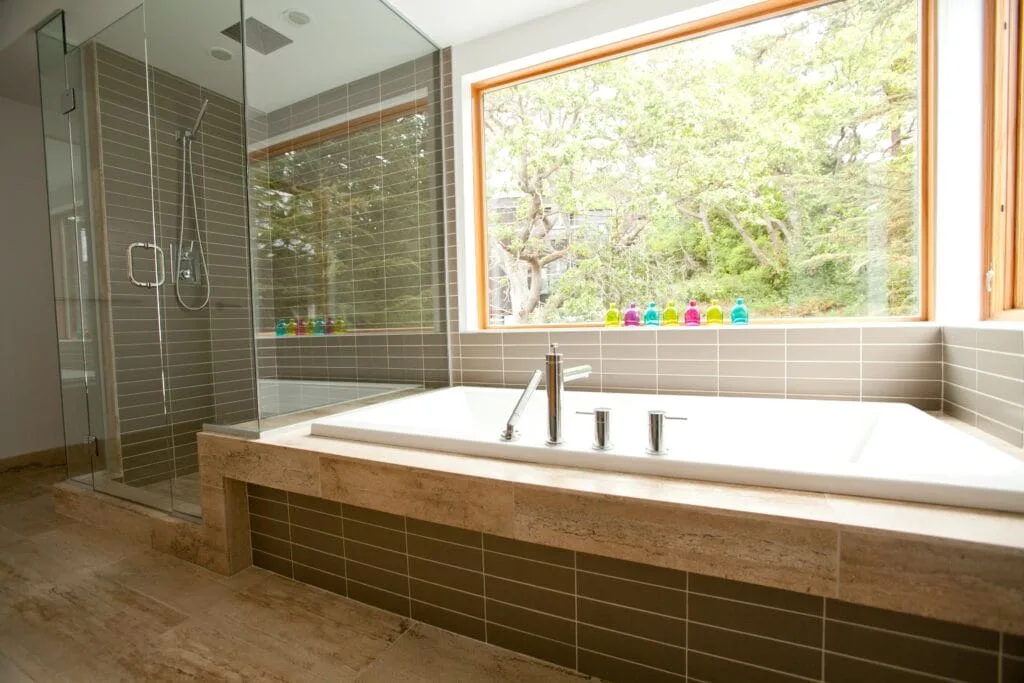
The bathroom is one of the most functional, and expensive, rooms to renovate in any home. Due to the involvement of plumbing, electrical wiring, and extensive tiling, costs can escalate quickly. However, achieving a fresh, modern, and beautiful bathroom doesn’t require gutting the entire space. By adopting a strategic mindset and knowing where to spend your money versus where to save, you can control your budget and deliver a high-impact transformation.
Here is a complete and extensive guide to the best money-saving strategies for your next bathroom remodel.
1. The Golden Rule: Avoid Changing the Layout
The single most expensive element in a bathroom renovation is moving plumbing. Any time you relocate the toilet, shower, or sink drains and supply lines, your budget will increase exponentially due to the specialized labor and structural work involved.
- Stick to the Footprint: If your current layout is functional, commit to keeping all major fixtures (toilet, tub/shower, vanity) in their existing positions. You can replace the fixtures themselves, but avoid rerouting the water and waste lines.
- Focus on the Vertical: If you crave a change, invest in vertical enhancements. A new, stylish vanity or a larger shower enclosure that fits the original footprint provides the desired visual change without the monumental cost of moving walls or pipes.
2. Strategic Flooring Selection (Where to Spend vs. Where to Save)
Costs of Waterproof floorings for bathroom can quickly consume your budget. Be selective about where you splurge on high-end finishes.
Tiles and Walls
Tile flooring is beautiful, but expensive due to both the material cost and the intensive labor required for flooring installation and grouting.
- Limit Tile Coverage: Instead of tiling the entire room, limit high-end tile use to the wet zone (inside the shower) and the floor. The rest of the walls can be finished with highly durable, moisture-resistant paint or budget-friendly wainscoting.
- Use Large-Format Tile: Opt for large-format porcelain tiles instead of small mosaics or intricate patterns. Large tiles cover space faster, requiring less labor and significantly less grout, saving both time and material.
- Tile Accents: Reserve the expensive, trendy tiles (like marble or colorful subway tile) for small, impactful focal points, such as a shower niche or a vertical accent stripe, and use affordable, neutral tile for the surrounding areas.
- Flooring Alternatives: Consider waterproof Luxury Vinyl Tile (LVT) or Luxury Vinyl Plank (LVP) for the floor. Modern vinyl options, buioght from a reliable flooring warehouse in Denver, mimic high-end tile and wood perfectly, are 100% waterproof, and are significantly cheaper and faster to install than ceramic or stone tile by flooring professionals.
3. Refurbishing Existing Fixtures
Often, your existing fixtures are structurally sound but visually dated. Refinishing or updating key elements can achieve a brand-new look at a fraction of the cost of full replacement.
- Refinish the Tub: If your bathtub is cast iron or fiberglass and merely looks stained or worn, look into professional reglazing or refinishing services. This process is far more economical than tearing out and installing a new tub.
- Paint Your Vanity: Instead of buying a new vanity, give your existing cabinet a makeover. A fresh coat of durable, semi-gloss paint in a modern color (like gray or navy) can transform its look.
- Upgrade Hardware: Replace old, dull cabinet knobs and drawer pulls with modern hardware (like matte black or brass). This is a low-cost, high-impact change that instantly updates the vanity.
4. High-Impact Cosmetic Changes
These small, affordable updates provide the most immediate and satisfying return on investment because they drastically improve the room’s visible aesthetic.
- Lighting: Swap out dated, globe-style fixtures for modern LED vanity lighting. Good lighting is crucial for both function and making the bathroom feel clean and spacious.
- Mirror: A large, frameless mirror or a chic, framed mirror immediately modernizes the space. A large mirror also reflects light, making a small bathroom feel bigger.
- Faucets and Showerhead: Replace outdated chrome faucets and showerheads with new models in contemporary finishes (e.g., brushed nickel or bronze). This is an easy DIY task that brings a cohesive, fresh look to the plumbing.
- Paint: A coat of neutral, light paint (white, light gray, or subtle beige) makes any bathroom feel cleaner, brighter, and more spacious. Use paint formulated for bathrooms to resist moisture.
5. Smart Budgeting and Labor Strategies
Managing the execution of the remodel is as important as choosing the materials.
- DIY Where Safe: Tasks like painting, demolition (removing the old vanity or tile), and accessory installation can often be handled by the homeowner, significantly reducing labor costs. Always leave electrical, plumbing, and major structural work to licensed professionals.
- Purchase Fixtures Yourself: Instead of letting the contractor mark up the price of the toilet, vanity, and faucets, purchase them directly from a wholesaler or big-box store. This ensures you control the costs and often gives you a wider selection.
- Set a Contingency Budget: Unexpected issues—such as hidden mold, rotting subfloor, or outdated wiring—are common in older bathrooms. Always set aside 10% to 20% of your total budget to cover these unforeseen costs, ensuring the project doesn’t derail when a surprise inevitably pops up.
- Compare Quotes: Always gather detailed, itemized quotes from at least three different reputable contractors before committing to a final budget and team.


