

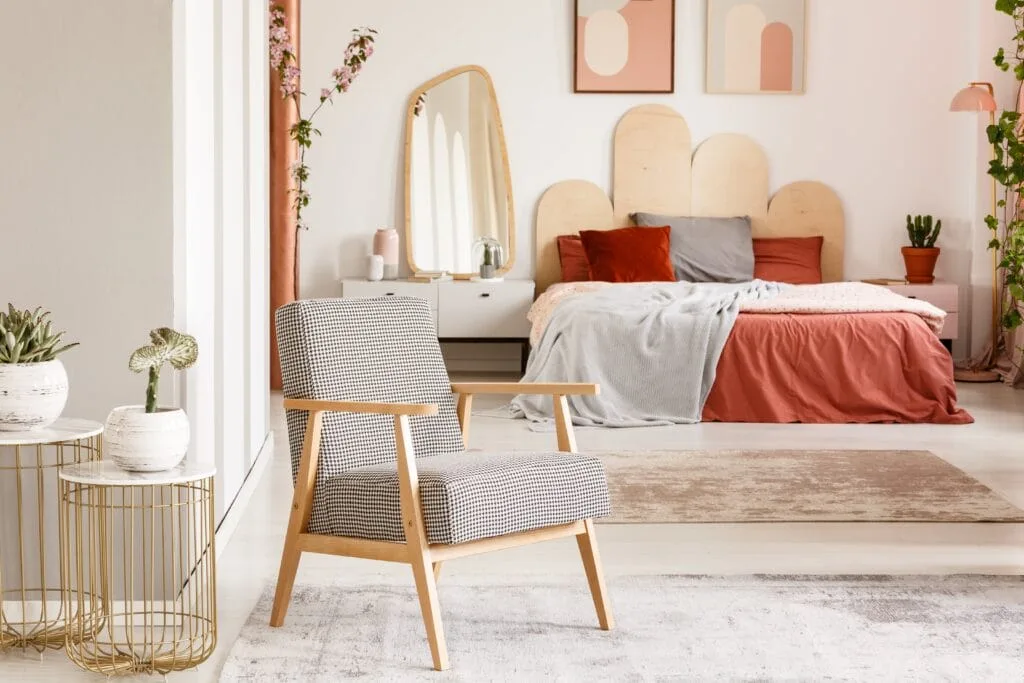
In home design, making a space feel larger, brighter, and more open is a universal goal, especially in smaller homes or apartments. While wall color and mirror placement often steal the spotlight, your flooring is arguably the most powerful tool for creating the illusion of expanded space. Because the floor products covers the largest continuous surface area, the material, color, and direction of flooring installation can dramatically influence visual perception.
By using simple, strategic flooring design techniques, you can effectively “trick” the eye into believing your room is more spacious than it actually is. Here is an extensive guide to the best flooring tricks to expand your space.
1. Embrace the Power of Light Colors
The number one rule for expanding any space is leveraging light and reflective surfaces.
- Reflectivity is Key: Light-colored flooring, such as light gray, whitewashed oak, pale maple, or bright beige tile, reflects natural and artificial light. This reflection immediately brightens the room and visually pushes the walls outward, creating an airy, expansive feeling.
- Seamless Transitions: If using carpet, stick to light neutrals like creamy beige, subtle gray, or taupe. Lighter colors minimize the visual interruption between the floor and the baseboards, maintaining a clean, continuous line around the perimeter.
- The Continuous Canvas: Dark floors, while dramatic, tend to absorb light and can make a room feel cozier or more enclosed. For maximum expansion, stick to the lighter end of the spectrum.
2. Choose Wide and Long Planks
The size and scale of your flooring planks or tiles directly impact how busy or expansive the visual “grid” appears.
- Minimize Seam Lines: Fewer seam lines mean less visual interruption. Wide planks (7 inches or more) and extra-long planks reduce the number of breaks across the floor’s surface.
- Create Uninterrupted Flow: When the eye follows a long, wide plank, it is drawn across the entire room. This uninterrupted flow extends the perceived boundaries of the space, creating a sleek, contemporary look that feels more open and grand.
3. Strategic Installation Direction
The direction in which hardwood, laminate, or luxury vinyl planks are laid can physically alter the perceived dimensions of a room.
- Lengthen a Room: If you have a room that is wide but short, install the planks parallel to the longest wall. This draws the eye along the length of the planks, making the room look deeper and longer than it is.
- Widen a Room: If you have a long, narrow hallway or room, install the planks horizontally (perpendicular to the longest wall). This will visually stretch the space from side to side.
- Diagonal Installation (The Expert Trick): Installing planks at a 45-degree angle is an advanced technique that works well in truly small, boxed rooms. The angled lines confuse the eye’s perception of borders, giving the illusion of a much broader, more dynamic space.
4. Create Consistency Across Adjoining Spaces
This part is normally handled by flooring installers. Make sure to get installation services from a trusted Denver flooring company, and ensure that visual breaks, such as switching materials or colors, act as stopping points for the eye, preventing your home from feeling chopped up.
- Eliminate Thresholds: Use the same flooring material and color in adjoining spaces, especially between an open-concept living room, dining area, and kitchen. Removing physical transitions (like threshold strips) allows the flooring to flow seamlessly from one room to the next.
- Maintain Continuity: When a single floor type flows throughout the main level, it establishes the entire floor plan as one cohesive entity, drastically increasing the sense of total square footage.
5. Utilize Large-Format Tiles
For hard surfaces like tile, size also matters for creating an expansive look.
- Minimize Grout Grid: Just like wide planks, large-format tiles (12×24 inches and larger) minimize the number of grout lines. Since grout is a visual disruptor, reducing it creates a cleaner, more continuous surface.
- Matching Grout: If using tile, choose a grout color that closely matches the tile color. This further minimizes the visible grid, contributing to the seamless, expansive look.
By integrating these simple, visual-expanding techniques, prioritizing light colors, wide boards, and continuous installation, you can leverage your floor to transform even the most compact space into a welcoming, expansive haven.
To get reliable flooring, contact our Denver Carpet & Flooring for the best assistance.


