

Choosing new flooring is a significant investment that affects your home’s daily comfort, maintenance routine, and resale value for years to come. With countless styles, materials, and price points available, it’s easy to get overwhelmed or make a costly mistake based solely on appearance. To ensure you make a choice that is both beautiful and practical, it is essential to follow established best practices.
Here is an extensive guide covering the crucial Dos and Don’ts to keep in mind when selecting the right flooring type for your home.
The DOs: Smart Strategies for Selection
1. DO Prioritize Function Over Form (The Room Test)
Your biggest priority should be matching the material’s characteristics to the room’s functional demands.
- Wet Zones (Bathrooms, Laundry, Basements): DO choose 100% waterproof materials like Porcelain Tile or Luxury Vinyl Plank (LVP).
- High-Traffic Areas (Hallways, Kitchens): DO select durable, scratch-resistant surfaces with strong wear layers, such as Laminate, LVP, or Hardwood with a high Janka hardness rating.
- Comfort Zones (Bedrooms): DO favor soft, insulating materials like Carpet or Cork for warmth and noise reduction.
2. DO Set a Comprehensive Budget
The price per square foot listed on the material tag is just the beginning.
- DO calculate the total project cost, which includes: Material + Underlayment/Moisture Barrier + Subfloor Preparation/Leveling + flooring Installation Labor + Waste Allowance (5% to 10% extra material).
- DO invest more in flooring that is difficult or expensive to replace (like tile) and less in materials that are easy to swap out (like carpet).
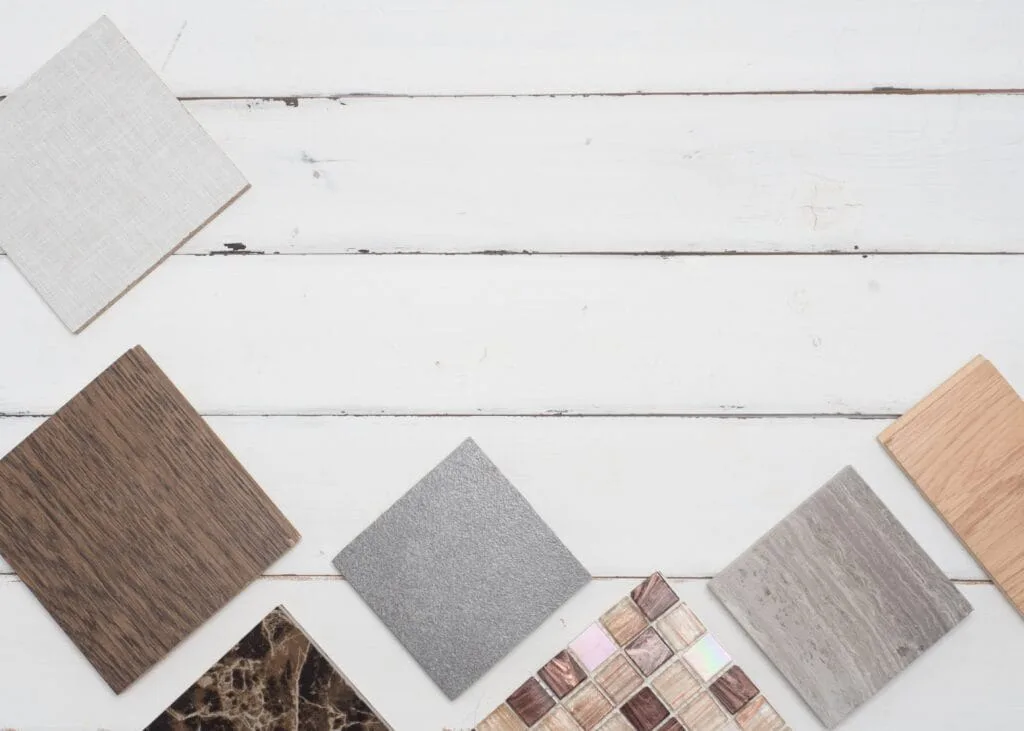
3. DO Order Large Samples
Small squares viewed in a brightly lit showroom will look drastically different in your home.
- DO obtain the largest samples possible, ideally planks or tiles, and place them in the actual room where they will be installed.
- DO observe the samples throughout the day to see how they look under natural sunlight, artificial light, and at night, as lighting changes color perception dramatically.
4. DO Research Resale Value and Trends
While your home should reflect your style, a wise investment considers future marketability.
- DO understand that Hardwood (or high-quality hardwood-look LVP) in main living areas generally offers the highest return on investment (ROI).
- DO choose neutral, timeless colors for permanent features like flooring. Use colorful rugs and accessories for seasonal trends that are easy to change.
5. DO Consult with a Professional Installer
Even if you plan to DIY, professional insight is invaluable.
- DO have a professional confirm your measurements and check the condition of your subfloor. They can spot moisture issues, unevenness, or damage that could lead to immediate floor failure.
The DON’Ts: Mistakes to Avoid
1. DON’T Mix Too Many Materials
Using a different type of flooring, bought from a reliable flooring partner, in every room creates visual chaos and makes your home feel smaller and disjointed.
- DON’T create unnecessary transitions. Aim for continuity. Use the same hard surface (e.g., LVP or tile) throughout the main floor to create a sense of expansive flow. Limit contrasting materials to defined, separate rooms (like bathrooms or carpeted bedrooms).
2. DON’T Skimp on Subfloor Preparation
A beautiful, expensive floor installed over a poor subfloor will fail.
- DON’T skip leveling the subfloor, removing old adhesive, or installing the correct moisture barrier (especially in basements or over concrete). Proper preparation is arguably the most critical step for ensuring the longevity and proper warranty coverage of your new floor.
3. DON’T Choose Plush Carpet for High-Traffic Areas
A deep, soft cut-pile carpet may feel luxurious, but it will quickly look worn out in busy areas.
- DON’T use soft, thick cut-pile in hallways, stairs, or entryways. DO choose low-pile, dense, or looped styles like Berber or low-pile Frieze for maximum crush resistance and durability in high-traffic zones.
4. DON’T Forget About Maintenance Requirements
Be honest about how much time you are willing to spend cleaning.
- DON’T choose hardwood if you have large dogs and aren’t prepared for immediate spill cleanups and frequent scratch repair. DON’T choose tile if you detest scrubbing grout. Choose a floor whose maintenance requirements fit your lifestyle.
Follow these recommendations to get the most out of your floors. They’re proven tips we’ve seen work for flooring in Denver home for decades.


