
Introduction: Where Durability Meets Design
High-traffic areas—such as stairs, hallways, family rooms, and entry points—are the ultimate test of a carpet’s durability. In these zones, the priority shifts from luxury comfort to functional performance. Choosing the wrong carpet leads to rapid matting, crushing, and premature wear. The best choice is a carpet engineered with resilient fibers and a dense, low-profile construction designed to withstand relentless foot traffic.
To ensure your investment lasts, focus on these three critical factors when shopping for carpet for busy areas.
1. Fiber Type: The Resilience Factor
The material itself dictates the carpet’s ability to spring back after compression, which is known as resilience.
| Fiber | Primary Advantage | Resilience/Crush Resistance | Ideal Use |
| Nylon | The Workhorse: Strongest and most resilient synthetic fiber. Fibers “bounce back” after compression. | Excellent | Stairs, Hallways, Busy Living Rooms |
| Triexta | Stain Powerhouse: Superior natural stain resistance with durability close to nylon. | Very Good | Family Rooms, Kids’ Rooms, Pet Households |
| Wool | Natural Luxury: Highly durable and naturally elastic, resisting crushing well. | Excellent | Formal Areas, Low-to-Moderate Traffic |
| Polyester (PET) | Softness & Value: Soft feel and naturally stain-resistant, but lacks resilience. | Poor | Bedrooms, Light Traffic Areas (Avoid stairs) |
Recommendation: For long-term durability in high-traffic hallways, Nylon or high-quality Triexta (often branded SmartStrand) are the best synthetic choices.
2. Construction: Density and Pile Height
Beyond the fiber, how the carpet is built is crucial for resisting matting.
- Density is Key: Density refers to how tightly the fibers are packed together. The closer the tufts are stitched, the more support they provide one another, preventing them from flattening. Always choose a dense, tightly packed construction for high-traffic zones.
- Pile Height: Low-pile carpets (shorter fibers) are always preferred over high-pile (plush) carpets for durability.
- Loop Pile (Berber): Features uncut, tightly woven loops. This structure is naturally rugged and resists crushing and matting exceptionally well. Ideal for: Basements, home offices, and commercial settings.
- Cut & Loop (Patterned): Combines cut and looped fibers at different heights to create subtle patterns. This adds dimensionality and is excellent at hiding dirt, footprints, and wear patterns. Ideal for: Hallways and stairs.
- Frieze (Highly Twisted Cut Pile): Features tightly twisted, crimped fibers. The twist makes it highly resilient and great at disguising vacuum marks and footprints. Ideal for: Family rooms.
3. Aesthetic and Color Strategies
Color and texture can be used to camouflage soil and wear, keeping the area looking cleaner for longer.
- Avoid Uniform Solids: Solid, light-colored carpets quickly show dirt, shadows, and wear paths.
- Opt for Multi-Tones: Choose colors that are heathered, flecked, or multi-toned (using two or three complementary colors). This visual variation is highly effective at hiding tracked-in soil and small stains.
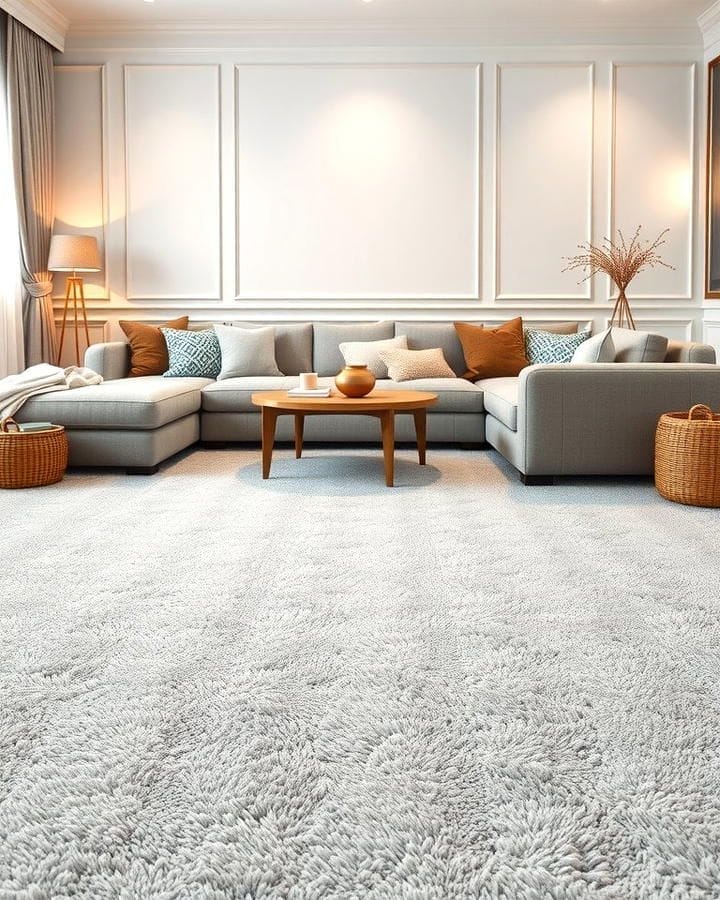
- Medium to Dark Colors: Earthy tones, warm grays (greige), or medium browns are generally safer choices for heavy-use areas than very light colors.
Conclusion: The Ideal High-Traffic Carpet
The most durable carpet for a high-traffic area is a combination of:
- Fiber: Nylon or Triexta.
- Construction: Low-Pile Loop, Cut & Loop Pattern, or High-Density Frieze.
- Aesthetic: Multi-toned or subtly patterned to hide soil.
Prioritize density and resilience to ensure your carpet maintains its bounce and texture, keeping your busy areas beautiful for years to come.