
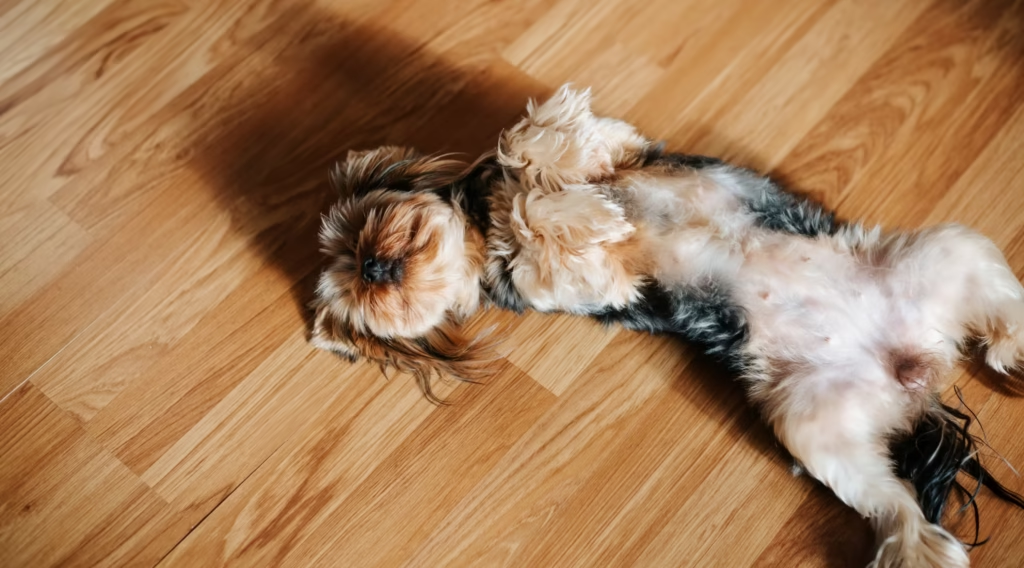
Pets are family, but their claws, muddy paws, and occasional accidents present unique challenges to residential flooring. For pet owners, selecting the right floor is less about aesthetics and more about three critical functional needs: being 100% waterproof against accidents, having a flooring surface resistant to scratches, and offering easy, non-toxic cleanup.
If you are looking to install a floor that can stand up to the most enthusiastic dog or the least housebroken kitten, here is a breakdown of the best flooring types built for pet life.
1. The Ultimate Defender: Luxury Vinyl Plank (LVP)
Luxury Vinyl Plank (LVP) and Luxury Vinyl Tile (LVT) are the undisputed kings and the best pet-friendly flooring, offering the perfect blend of style, waterproofing, and durability.
- 100% Waterproof: This is the biggest selling point. Modern LVP typically uses a WPC (wood-plastic composite) or SPC (stone-plastic composite) core, which makes the floors highly resistant to water. Pet urine or spilled water won’t soak in or warp the plank, and odours are less likely to linger—as long as spills are cleaned up quickly and the floor is installed correctly.
- Scratch Resistance: LVP’s transparent top layer, the wear layer, is highly resilient. Look for a wear layer of 20 mil or higher to ensure maximum protection against pet claws, especially from large dog breeds.
- Easy Maintenance: LVP requires nothing more than simple sweeping and wet mopping with standard cleaners, making cleanup of fur, paw prints, and messes effortless.
| LVP for Pets | Key Benefit |
| Waterproof Core | Total immunity to pet accidents and urine odors. |
| Thick Wear Layer | Excellent resistance to dog and cat nail scratches. |
| Comfort | Warmer and quieter than tile under active paws. |
2. The Scratch-Proof Champion: Porcelain Tile
For sheer, unyielding durability against scratching and moisture, porcelain and ceramic tile with professional flooring help are nearly unbeatable.
- Immunity to Claws: Tile is the hardest flooring option available. Pet claws, grit, or toys cannot scratch or dent the glazed surface.
- Total Water Resistance: Tile is fully waterproof. As long as the grout lines are properly sealed and maintained, liquid cannot penetrate the floor structure.
- Maintenance: Tile is easy to sanitize using any type of cleaner, making it ideal for mudrooms and feeding areas.
- The Caveat: The surface is extremely hard and cold, which can be uncomfortable for older or arthritic dogs. It can also be slippery, so choose a tile with a textured or matte finish to provide traction.
3. The Comfortable Contender: Pet-Specific Carpet
While hard surfaces are generally preferred, carpet provides comfort, sound dampening, and necessary traction for pets. When choosing carpet, you must prioritize advanced fiber technology.
- Stain-Proof Fibers: Avoid traditional Polyester or Wool. Look for Solution-Dyed Nylon or Triexta (SmartStrand) fibers, which have extreme, built-in stain resistance. Solution-dyed means the color goes all the way through the fiber, making it fade-proof and resistant to the harsh chemicals sometimes needed for pet cleanups.
- Pile Style: Choose a loop pile (Berber) or a low, dense cut pile carpet. High-pile shag or plush carpets can easily be snagged by claws and trap more hair and debris.
- Pet-Specific Padding: Always upgrade to a pet-specific moisture barrier pad. This pad prevents pet urine from soaking through to the subfloor, which is the source of recurring odors.
4. Cautionary Tales: Hardwood and Laminate
These two materials can be used, but they come with significant risks for pet owners. Always buy quality products from reliable Devner flooring shops to get the most out of your floorings.
Hardwood (High Risk)
Traditional hardwood floors scratches easily, making it a poor match for active pets. Even the strongest finishes can be compromised by a determined dog. Furthermore, pet urine is corrosive and quickly soaks into the wood fibers, leaving permanent black stains and pungent odors that usually require sanding or board replacement.
- Mitigation: If you must use wood, choose an extremely hard species (like Hickory), and opt for a matte, textured, or distressed finish to help hide scratches.
Laminate (Moderate Risk)
Old-style laminate floors are susceptible to water damage at the seams. While the scratch-resistant wear layer is good for claws, any liquid (including pet urine) that seeps into the HDF core will cause irreversible swelling and buckling.
- Mitigation: Only choose high-AC rated laminate (AC4/AC5) and look for a product explicitly labeled as “water-resistant” (with tightly sealed edges) to protect against accidental spills.
Summary: The Perfect Pet Floor
For the busy pet owner, the functional demands are clear. Choosing a waterproof, scratch-resistant surface (LVP or Tile) for your main living areas and combining it with stain-resistant, low-pile carpet in quieter spaces offers the best balance of durability, safety, and comfort for the whole family.