
The dining room is more than just a place to eat; it’s a central hub for gathering, entertaining, celebrating, and sometimes even working. Whether you have a formal, enclosed dining room or a seamless open-plan space, designing this area requires balancing aesthetic elegance with practical functionality. Every design choice, from the size of the table to the material of the floor, contributes to the room’s overall mood and usability.
Here is an extensive guide to the key design ideas and practical tips for creating a sophisticated, welcoming, and high-performing dining room.
1. Flooring: Prioritize Performance and Flow
The dining area floor must withstand constant chair movement, function as heavy foot traffic flooring, and resist inevitable food or wine spills.
- Durability is Non-Negotiable: DO choose materials with superior durability and water resistance. Luxury Vinyl Plank (LVP), Porcelain Tile, and high-quality Hardwood are top contenders. Avoid materials easily damaged by spills, like standard laminate flooring or delicate wood.
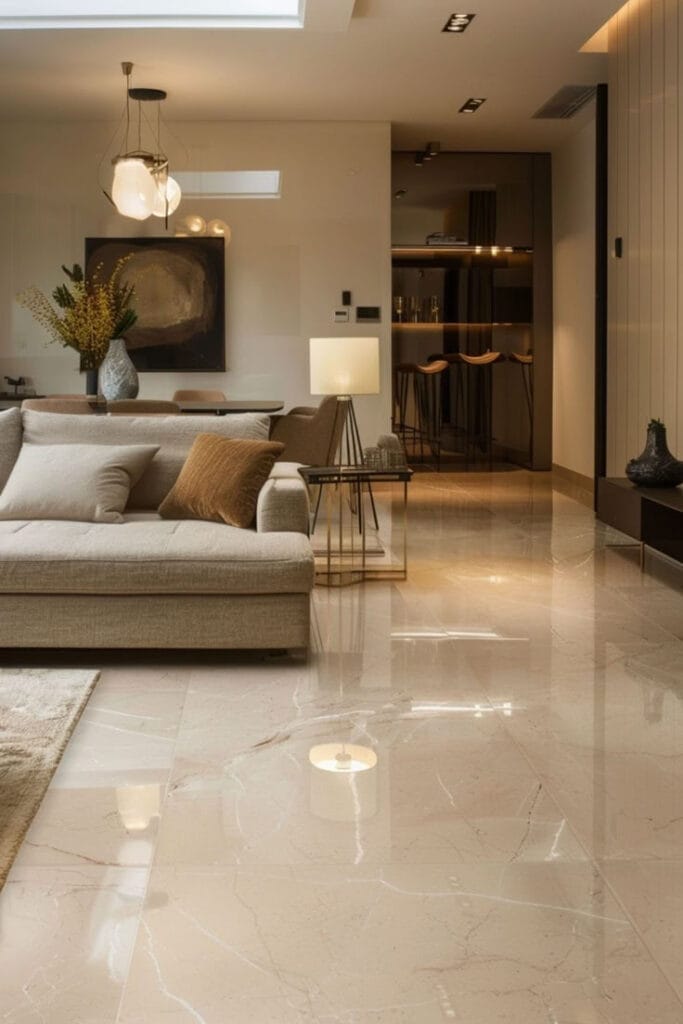
- Aesthetic Flow: In open-plan settings, DO use the same continuous hard flooring (e.g., light-toned wood or LVP) throughout the dining, kitchen, and living areas to unify the space and make it feel larger.
- Custom Patterns: DO consider defining the dining zone in an open concept with a custom floor pattern, such as Herringbone or Chevron created with tile or wood planks. This adds an architectural touch and luxury without needing a full dividing wall.
- The Rug Rule: If you use an area rug, it must be large enough to extend at least 24 inches (60 cm) beyond all edges of the table. This ensures that dining chairs remain completely on the rug, even when pulled out, preventing tripping hazards and carpet edges from catching.
2. Layout and Scale: Function Over Formality
The layout should ensure comfort and easy movement, especially when guests are seated.
- Clearance Space: DO ensure there is a minimum of 36 inches (90 cm) of clearance space between the table edge and the wall, storage cabinets, or adjacent furniture. The ideal is closer to 42 inches (107 cm) for comfortable movement.
- Table Shape: Choose a table shape that best suits your layout and entertaining style:
- Round/Oval Tables: Ideal for small or square rooms, as they optimize flow and space, and foster easy conversation.
- Rectangular/Square Tables: Best for long, narrow rooms and offer the highest number of seats.
- Seating Mix: DON’T feel obligated to use a matching set. DO mix and match seating for character. Pair upholstered end chairs with simple wood side chairs, or use a built-in bench (banquette) along one wall to maximize seating and save space. A room planner can help with measurements ensuring the layout fits your space and needs.
3. Lighting: Define the Mood
Lighting is the primary tool for setting the mood, shifting the room from bright-task space to intimate-gathering zone.
- Focal Pendant: DO install a statement chandelier or pendant light directly above the center of the table. The fixture should hang 30 to 34 inches (76 to 86 cm) above the tabletop. Ensure its size is proportionate to the table itself.
- Layer the Light: DO install all light sources on dimmers. Layer ambient light (general room light), task lighting (the pendant), and accent lighting (wall sconces or buffet lamps) to allow you to shift the atmosphere instantly.
- Warm Tones: DO use warm-toned LED bulbs (2700K to 3000K) to create an inviting, cozy glow that makes food and faces look more appealing.
4. Texture and Detail: Adding Character
Use texture, color, and natural elements to bring the room to life.
- Introduce Contrast: DO pair hard, sleek surfaces (like the table and hard flooring) with soft, plush textures in the seating (upholstered chairs, velvet cushions) to maximize comfort.
- Storage and Display: DO use sideboards, buffets, or china cabinets for storage. Floating shelves or display cabinets allow you to add personality with decorative accessories, artwork, or greenery.
- Wall Decor: DON’T use small, floating pieces. DO anchor the space with a large piece of art, a gallery wall, or a statement mirror. Mirrors are a classic trick that reflect light and visually double the size of the room.
So if we talk in a brief way, creating a stylish and functional dining room involves selecting the right flooring product, layout, and lighting to balance aesthetic elegance with practical design. Durable flooring materials like Luxury Vinyl Plank (LVP), porcelain tile, and quality hardwood are ideal for dining areas, offering both beauty and resilience to foot traffic and spills. For an open-plan layout, using the same flooring throughout the dining, kitchen, and living areas can create a unified look. Denver Carpet and Flooring, a trusted flooring store in Denver, offers expert guidance on choosing the best materials to suit your dining room’s needs, and their team of flooring professionals is dedicated to providing high-quality flooring solutions that combine style with performance.
Whether you’re redesigning a small dining space or a larger open-plan area, their team can help you find the right flooring and install it with care. In addition to choosing the right flooring, consider lighting, seating arrangements, and textures to enhance the room’s mood and functionality, creating a space that’s both beautiful and practical. With Denver Carpet and Flooring’s expert advice and installation services, you can ensure your dining room not only looks great on install day but continues to impress for years to come.
Contact us today to get started with your dream space!