

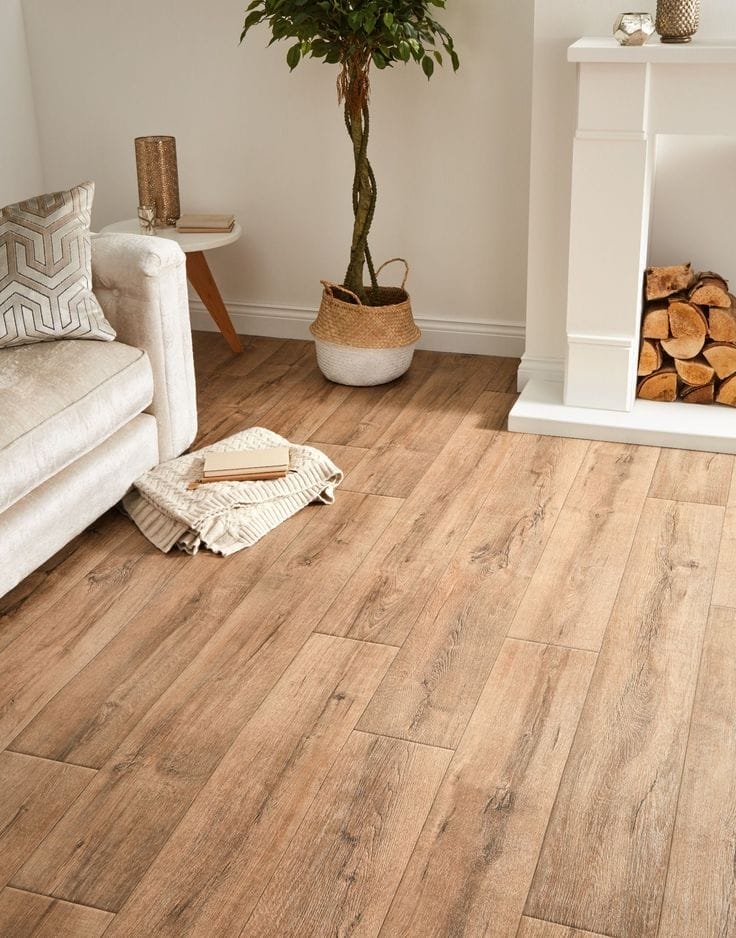
Choosing eco-friendly flooring products is no longer about compromising style or performance; it’s about making a strategic decision that benefits the planet, improves indoor air quality, and offers long-term durability. Sustainable flooring options utilize renewable, recycled, or low-emission materials, providing a healthy foundation for your home without sacrificing aesthetics or comfort.
Here is a guide to the most popular and reliable eco-friendly flooring materials available today.
1. Highly Renewable and Natural Resources
These materials are sourced from plants that regenerate quickly, dramatically reducing their environmental footprint compared to traditional lumber.
| Flooring Option | Sustainability Factor | Pros | Cons |
| Bamboo | Rapidly Renewable. A grass that reaches maturity in 3–5 years (vs. 20+ years for hardwood). Harvesting does not kill the plant. | Highly durable (especially strand-woven), modern aesthetic, and naturally anti-microbial. | Transportation footprint (often sourced from Asia). Some products use adhesives that may contain VOCs (check for FSC certification). |
| Cork | Harvested Sustainably. Made from the bark of the cork oak tree, which is stripped without harming the tree, and regenerates every 9–10 years. | Excellent Insulator (thermal and sound), naturally cushioned and soft underfoot, antimicrobial, and fire-resistant. | More vulnerable to scratches and dents in high-traffic areas; requires proper sealing against moisture. |
| Natural Linoleum | Biodegradable. Made from natural, renewable ingredients: linseed oil, wood flour, cork dust, and pine resin. | Very durable (lasts 25–40 years), naturally hypoallergenic, and non-toxic (low VOCs). | Requires sealing/waxing to maintain moisture resistance; more expensive than synthetic vinyl. |
2. Recycled and Upcycled Options
These materials significantly reduce landfill waste by giving new life to discarded resources.
| Flooring Option | Sustainability Factor | Pros | Cons |
| Reclaimed Wood | Zero Deforestation. Uses salvaged lumber from old barns, factories, or warehouses. | Provides unique rustic character and history. Extremely durable. | High cost due to the labor involved in sourcing and preparation. Can be difficult to find large, uniform quantities. |
| Recycled Content | Tiles (glass, ceramic), Carpet, and Rubber are made from recycled glass, plastic bottles, or old tires. | Reduces landfill waste and conserves raw resources. Rubber is durable and shock-absorbent (great for home gyms). | Quality can vary widely. Recycled rubber can emit an odor initially. |
3. Health, Air Quality, and Certification
A key benefit of most eco-friendly flooring is improved indoor air quality.
- Low VOCs (Volatile Organic Compounds): Synthetic materials (like traditional adhesives and some vinyl) can “off-gas” harmful chemicals into the air. Eco-friendly floors (cork, linoleum, and sustainably certified wood) are inherently low in VOCs, reducing the risk of headaches, dizziness, and respiratory irritation.
- FSC/PEFC Certification: When buying wood or bamboo, look for certifications like FSC (Forest Stewardship Council) or PEFC. These verify that the material was sourced from forests that are managed responsibly and sustainably.
- Non-Toxic: Natural materials are often hypoallergenic and do not trap dust, dander, or mold spores, making them easier to clean and ideal for allergy sufferers.
Sustainable flooring is a sound financial choice endorsed by flooring professionals because these materials are designed for durability and longevity, reducing the need for frequent replacements. By prioritizing low-VOC certifications, renewable sources (like cork and bamboo), and recycled content, you can create a beautiful, durable, and healthier home environment that supports your values.
If you need help or want eco-friendly flooring products, visit our Denver flooring outlet or contact us to schedule an in-home consultation.