

Hardwood flooring is a cornerstone of classic and contemporary design, offering a warmth, durability, and timeless elegance that few other materials can match. However, the sheer variety of hardwood colors and stains can make the selection process daunting. The shade you choose acts as the foundation of your home’s entire aesthetic, impacting the perceived size of the room, the brightness of your space, and how well your furniture colors harmonize.
To ensure your investment enhances your home for years to come, here is an extensive guide to navigating the three main categories of hardwood shades—light, dark, and gray/natural—and how to match them to your home’s existing features.
1. Light Hardwood Floors: Airy, Modern, and Expansive
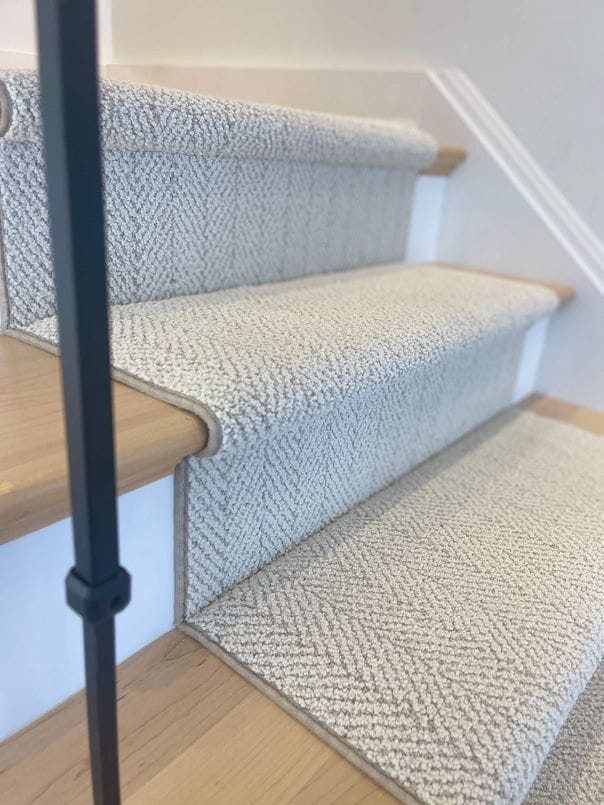
Light shades, including white oak, maple, birch, and whitewashed or gray-wash finishes, are currently very popular, especially in modern and Scandinavian designs.
- Aesthetic Appeal: Light woods create a clean, minimalist, and contemporary feel. They brighten the space and reflect natural light, instantly making small or dark rooms feel larger and more open.
- Versatility: They act as a highly versatile neutral foundation, pairing beautifully with strong, saturated wall colors (like navy or deep green) or crisp white walls.
- Practical Benefits: Light woods are excellent for busy homes. They effectively conceal dirt, dust, and pet hair because the debris doesn’t contrast sharply with the floor color. They also hide small scratches and minor imperfections better than dark floors.
- Ideal For: Small rooms, modern homes, coastal or Scandinavian styles, and high-traffic areas.
2. Dark Hardwood Floors: Dramatic, Formal, and Rich
Dark shades, such as espresso, ebony, dark walnut, and dark cherry, create a bold, sophisticated, and dramatic atmosphere.
- Aesthetic Appeal: Dark floors lend a sense of luxury, richness, and formality to a space. They create a beautiful, striking contrast when paired with light walls, trim, and furniture.
- Versatility: They anchor a large room, making expansive spaces feel cozier and more defined. They are a classic choice for libraries, dining rooms, and formal living spaces.
- Practical Trade-offs: Dark floors require diligent maintenance. They tend to show dust, lint, pet hair, and surface scratches much more easily than lighter shades because of the high contrast.
- Ideal For: Large rooms, formal areas, traditional or contemporary upscale designs, and areas where cleanliness can be maintained daily.
3. Neutral and Gray-Toned Hardwood: The Modern Middle Ground
Natural finishes and gray-toned stains (like washed gray or greige) offer the best of both worlds, providing a stable, chic neutral base.
- Aesthetic Appeal: Gray and greige (gray-beige) shades are the ultimate contemporary neutrals. They provide a cool, modern look without feeling as heavy as a dark stain or as rustic as a light wash.
- Versatility: They transition flawlessly between different styles. A gray floor perfectly bridges warm colors (like browns and creams) and cool colors (like blues and whites).
- Practical Benefits: These middle tones are moderately forgiving. They are generally better at hiding surface debris than true dark floors, requiring less demanding maintenance.
- Ideal For: Open-concept homes where flow and continuity between rooms are paramount, and transitional design styles.
Key Factors to Consider Before Finalizing Your Shade
Beyond aesthetic preference, three practical elements must guide your final decision:
1. Lighting in the Room
The amount and type of light are the biggest factors in how a floor color appears.
- Natural Light: If the room receives ample natural light, you can handle a darker floor without the room feeling cave-like. In rooms with little natural light, stick to light or mid-tone woods to prevent the space from feeling too dim.
- Sample Testing: Always view a large sample in the room at different times of the day (morning, noon, and night) to see how the lighting affects the color and grain.
2. Size of the Space
The rule of thumb here is simple: perception matters.
- Small Rooms: Choose light colors to visually push the walls outward and create an expansive feel.
- Large Rooms: You have the flexibility to choose any shade, but a darker color can add definition and cozy intimacy.
3. Furniture and Wall Colors
Your floor must act as a complimentary backdrop, not a competing focal point.
- Contrast is Key: If your furniture or walls are light, a dark floor will provide striking contrast. If your furniture is already dark or heavy, a lighter floor will balance the weight and prevent the room from feeling too dim.
- Avoid Clashing Undertones: Pay attention to the undertone (red, yellow, or gray) in your wood samples and ensure it complements the undertones in your wall paint and fixed cabinetry (like kitchen cabinets).
By taking a structured approach and testing samples in your actual space, you can confidently select the perfect hardwood shade that elevates your home’s style and maximizes its livability.