
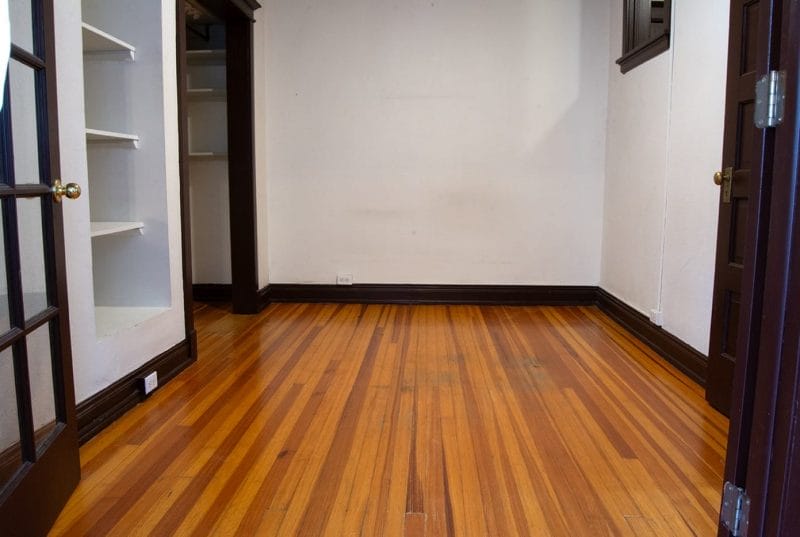
Hardwood floors are often positioned as the pinnacle of residential flooring—a permanent fixture that instantly increases a home’s aesthetic and resale value. While their timeless appeal is undeniable, they are far from being a flawless product. Like any natural material, hardwood comes with a unique set of limitations and demanding care requirements that homeowners must fully understand.
Before making this significant investment, it is essential to consider the major disadvantages and practical “downfalls” of choosing hardwood over more resilient, modern alternatives.
1. Extreme Sensitivity to Moisture and Humidity
This is the most critical structural flaw of natural wood, as it directly impacts its longevity and integrity.
- Humidity Sensitivity: Wood is an organic material that reacts to moisture in the air. High humidity causes planks to expand (leading to buckling or crowning), and low humidity causes them to contract (leaving unsightly gaps). Managing stable indoor humidity (ideally 35% to 55%) is a constant necessity.
- Water Damage Risk: Hardwood is incompatible with high-moisture areas like full bathrooms and laundry rooms. Even small, unaddressed spills in a kitchen or a refrigerator leak can soak into the seams, permanently swelling and warping the planks, often requiring expensive replacement.
2. Vulnerability to Surface Damage (Scratches and Dents)
Despite being durable in terms of sheer lifespan (due to refinishing), hardwood is quite soft on the surface and easily damaged by daily life.
- Scratches: Pet claws, tracked-in grit (sand or small stones), and even moving dining chairs frequently scuff and scratch the surface finish. While minor scratches can sometimes be repaired with surface kits, deeper scratches require professional sanding and refinishing.
- Denting: Dropped heavy objects (a canned good, a cast-iron skillet) can easily dent or gouge hardwood, especially softer species like cherry or pine. These impact points break the protective seal, leaving the wood exposed.
3. Significant Upfront Cost and Complex Installation
Hardwood flooring requires a considerable financial investment and a high level of technical skill for installation.
- High Material Cost: Natural wood materials are typically the most expensive flooring option per square foot. Engineered hardwood offers some savings but still sits at the higher end of the market.
- Installation Expense: Solid and even most engineered hardwood installations are complex. They require specialized tools (nail guns, moisture meters, specific adhesives) and must be installed by a professional to honor the warranty, substantially increasing the total project cost.
4. Noise and Lack of Undefoot Comfort
Hard, dense floors offer very little sound absorption and can feel unforgiving underfoot.
- Acoustics: Hardwood floors reflect sound, increasing echo within a room. This can be mitigated with large area rugs, but it remains a noticeable difference compared to carpet or luxury vinyl.
- Squeaks and Creaks: If the subfloor is not perfectly prepared or the wood is improperly nailed or glued, the floor can develop annoying squeaks or creaks as the wood moves over time, which can be difficult and costly to fix.
- Hardness: Hardwood offers no cushion. Standing for long periods (e.g., while cooking) can be tiring, and dropped breakables (glass, ceramic) are guaranteed to shatter.
5. Demanding Maintenance and Light Sensitivity
Hardwood maintenance is restrictive and must be strictly adhered to to preserve the finish and warranty.
- Restricted Cleaning: You cannot use steam mops, abrasive cleaners, or even standard household floor cleaners, as they can damage the polyurethane finish. Cleaning is limited to specific, often expensive, wood-safe products.
- UV Fading: Hardwood floors can suffer from discoloration and fading when exposed to direct sunlight over time. Furniture, rugs, and décor may block the sun unevenly, leading to permanent, visible color differences if moved after several years.
The Final Verdict
While the appeal of hardwood is based on its classic appearance and long life, its vulnerability to water and impact makes it a poor choice for highly active families, homes with pets, or moisture-prone areas like basements. In these cases, modern alternatives like waterproof Luxury Vinyl Plank (LVP) offer the look of wood without the demanding maintenance and structural risks.