

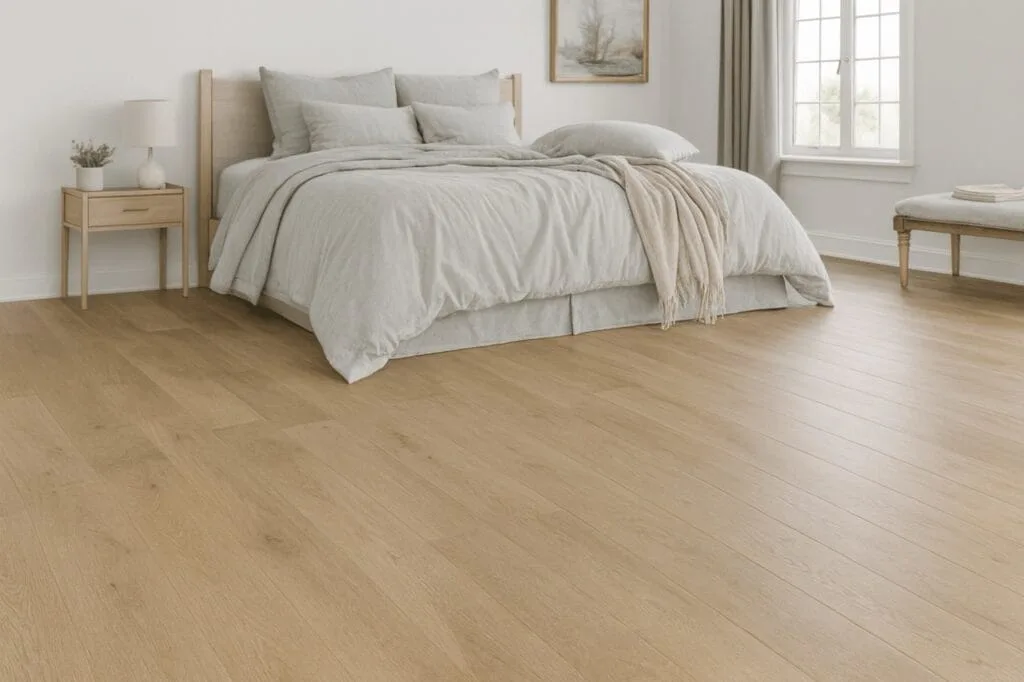
Introduction: The Eco-Friendly Alternative to Hardwood
Bamboo flooring has long been hailed as the sustainable alternative to traditional hardwood. Sourced from a rapidly renewable grass, it offers a beautiful, unique aesthetic with the promise of exceptional hardness. However, bamboo is a complex product, and its performance depends entirely on its manufacturing process.
Before choosing bamboo for your home, it’s crucial to understand the different types available and the unique challenges this material presents, especially regarding moisture and wear. Here is a comprehensive look at everything you need to know about bamboo flooring.
1. The Core Benefits of Bamboo Flooring (Pros)
Bamboo’s rising popularity is built on a few compelling advantages over traditional timber:
- Exceptional Sustainability: Bamboo is a grass that can be harvested in just 3 to 5 years, compared to the decades required for hardwood trees. Its root system remains intact after cutting, allowing it to regenerate quickly, making it an incredibly eco-friendly and renewable choice.
- Superior Hardness (Strand-Woven): The highest quality bamboo, known as strand-woven bamboo, is made by shredding bamboo fibers, mixing them with a resin, and compressing them under intense heat. This process results in a material that is often harder than Red Oak, making it extremely durable against high foot traffic and dents.
- Easy Maintenance: Like other hard surfaces, bamboo is easy to clean. Regular sweeping, vacuuming (with the beater bar off), and occasional damp mopping (using a recommended wood cleaner) is all that’s required.
- Can Be Refinished: Good quality solid bamboo can typically be sanded and refinished, extending its lifespan over several decades—a major advantage over synthetic alternatives.
2. Key Drawbacks and Caveats (Cons)
Bamboo requires careful consideration regarding installation environment and quality:
- Vulnerability to Moisture and Humidity: As an organic material, bamboo is highly sensitive to moisture and large fluctuations in humidity. Excessive moisture can cause swelling and cupping, while extremely dry conditions (like those found in Denver’s winter) can cause the planks to shrink and gap. It should generally be avoided in basements or high-moisture bathrooms.
- Scratch and Dent Susceptibility: While strand-woven bamboo is very hard, the finished surface can still be susceptible to scratches and gouges, especially in less expensive, darker, or horizontal/vertical grain varieties. Felt pads on furniture are essential.
- Quality Variability (VOCs): The bamboo industry lacks unified manufacturing oversight. Lower-quality or inexpensive bamboo may be harvested prematurely (when the grass is too soft) and often uses high-VOC (Volatile Organic Compound) adhesives and resins, compromising its eco-friendly status and indoor air quality.
3. Understanding the Types of Bamboo
The quality and performance of your floor rely heavily on the construction method:
| Type | Construction | Performance Characteristics |
| Strand-Woven | Shredded bamboo fibers mixed with adhesive and compressed. | Most Durable (harder than most woods). Excellent for high-traffic areas. |
| Engineered Bamboo | Thin bamboo veneer layered over a plywood or HDF core. | More Stable than solid bamboo against moisture changes. Limited refinishing potential (due to the thin veneer). |
| Horizontal/Vertical | Strips of bamboo are glued together either horizontally (showing more nodes) or vertically. | Softer and less durable than strand-woven; more prone to scratching and denting. |
4. Maintenance and Longevity
With proper care, a high-quality strand-woven bamboo floor can last 25 to 50 years.
- Moisture Management: This is the most crucial maintenance point. Wipe all spills immediately. If you live in an arid climate, use a humidifier to maintain a stable indoor RH (Relative Humidity) level.
- Cleaning Protocol: Never wet mop or steam clean a bamboo floor. Use only a damp cloth with a manufacturer-approved wood floor cleaner.
- Installation Prep: Always ensure the bamboo is fully acclimated in the room for several days before installation, and the installer leaves the required expansion gap along the walls to allow for seasonal movement.
By choosing strand-woven or engineered bamboo from a reputable supplier and prioritizing moisture control, you can enjoy a beautiful, durable, and highly sustainable floor for a lifetime.


