

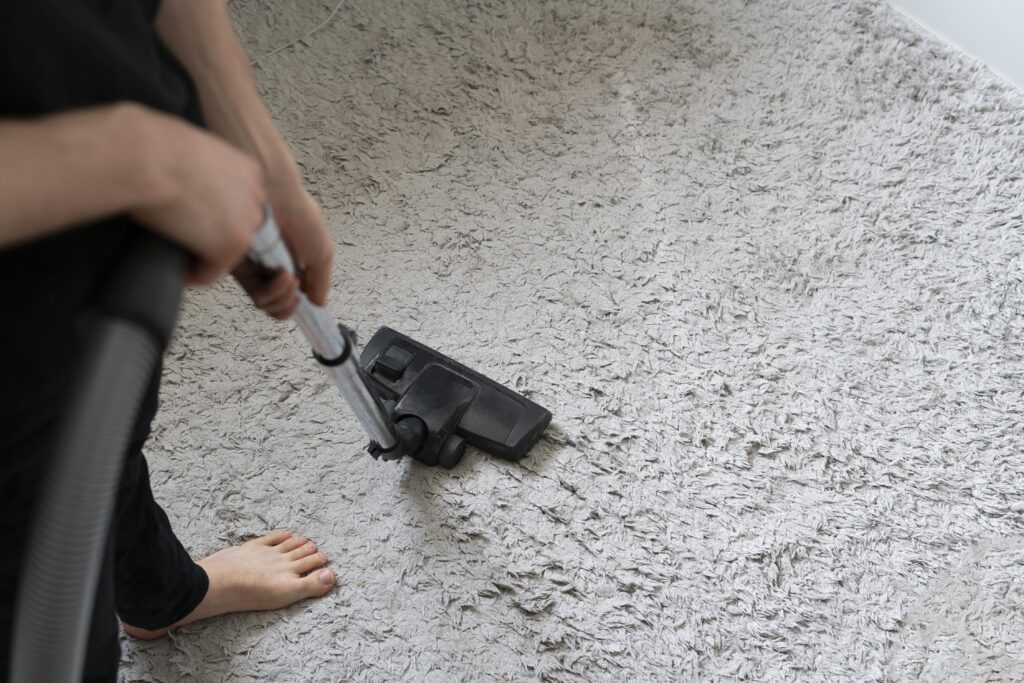
The short answer is yes, carpet can shrink after cleaning, but this typically only happens with certain types of materials and when specific cleaning methods are improperly applied. Modern synthetic carpets (nylon, polyester, Triexta) are highly stable and rarely shrink significantly. The primary risk of shrinkage lies in older carpets or those with natural fiber backings, which are highly sensitive to moisture.
Understanding what causes shrinkage and how professional cleaning mitigates this risk is key to maintaining your carpet’s fit and appearance.
1. Why Carpet Shrinks (The Role of the Backing)
Carpet shrinkage is not caused by the fiber (the visible part) but by the way the backing material reacts to excessive moisture and heat.
- Primary Cause: Natural Fibers: The backing of older, traditional, or woven carpets (especially those with jute or natural fiber backing) is highly absorbent. When jute fibers become saturated with water, they swell up. As they dry, they contract, causing the entire carpet to pull inward, resulting in shrinkage.
- Improper Installation: If the carpet was initially installed without being properly power-stretched to the walls, any slight moisture exposure can cause it to loosen and then contract unevenly when dried, creating wrinkles and ripples.
- Over-Wetting: Using excessive water or failing to adequately extract the water during the cleaning process causes the moisture to soak through the carpet and saturate the backing layer.
2. Preventing Shrinkage: The Professional Method
Professional cleaning services, particularly those using Hot Water Extraction (HWE or “steam cleaning”), use specific techniques to ensure stability:
- Controlled Water Use: Modern, professional-grade HWE equipment uses high-pressure jets to deliver moisture directly to the fibers and simultaneously extracts over 95% of that water out immediately. This prevents the moisture from soaking the backing.
- Synthetic Stability: High-quality synthetic carpets (nylon, olefin, Triexta) use synthetic backings (often made of plastic or fiberglass) that are moisture-resistant and inherently stable, making shrinkage virtually impossible.
- Checking the Stretch: A professional installer always ensures the carpet is tightly power-stretched to the tack strips around the room’s perimeter. This tension prevents the carpet from moving or shrinking.
3. What to Do If Your Carpet Shows Ripples (Wrinkling)
If you notice waves or wrinkles appearing in your carpet, it may not be shrinkage, it is likely an installation issue.
- Cause: Ripples occur when the carpet has lost its necessary tension. This can happen due to poor initial stretching, heavy furniture movement, or high humidity.
- The Solution: A certified carpet installer can perform a re-stretch using a power-stretcher. The installer temporarily lifts the carpet, pulls it taut, and re-secures it to the tack strips, effectively removing all waves and wrinkles. This is often necessary every 5–10 years regardless of cleaning.
You should not fear professional cleaning. Modern, high-quality carpets installed by certified professionals are engineered to be stable and resilient against standard cleaning methods. If your carpet is synthetic, properly installed, and cleaned by a reputable company, true shrinkage is highly unlikely. Instead, focus on the benefits of deep cleaning: restoring fiber bounce, removing abrasive soil, and enhancing indoor air quality.


